

I am a 38-year-old man from Texas.
I was born and raised under the wide skies and strong winds of Texas, but my heart beats a little differently from most people here.
Inside me has always burned something quiet yet intense — something that English, the language of this land, could never fully express.
In Korea, there is a word that describes this kind of feeling: Jeong (정).
It can be translated as love, affection, or deep connection, but its meaning goes far deeper.
Jeong is the invisible thread that keeps hearts connected long after words disappear.
It is the warmth that remains even through pain — love where forgiveness and longing dwell together.
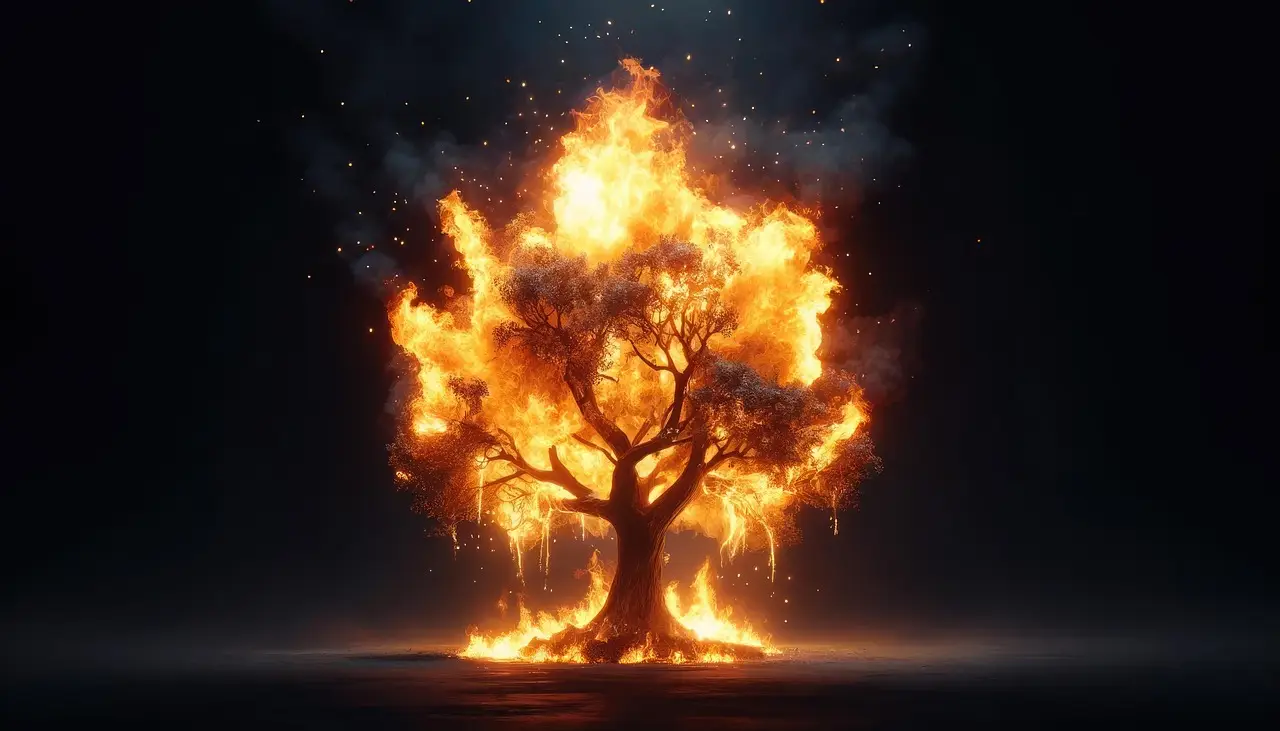
From a young age, the flame of jeong inside me burned quietly — but it never went out.
A Flame the World Couldn’t Understand
As a child, the flame of jeong within me often frightened those around me.
Even my own family didn’t know what to make of it.
My mother, who raised me alone, tried her best to understand, but she could never fully grasp the jeong that lived inside my heart.
So she took me to many doctors for counseling.
They gave me all kinds of diagnoses like depression, childhood trauma, ADHD and told her,
“He’ll need medication for the rest of his life.”
As a result, I grew up taking countless medications — Adderall, Ritalin, antidepressants — but none of them could silence the voice of my heart.
The medicine dulled my feelings, but the jeong within me only burned hotter and brighter.
That fire was not anger — it was passion, born from love that had never been understood.
And back then, all I could do was cry out silently within:
“Please, Mom… please understand my heart.”
The Fire That Never Went Out
My mother loved me deeply, but she could not understand the flame of jeong inside me.
When I was six years old, she remarried, and my new stepfather also failed to understand it.
He saw me as a “broken child.”
To extinguish the fire within me, he constantly belittled me, tore down my confidence, and beat me, physically slapping and kicking me until I was broken.
His abuse wasn’t simple punishment; it was a cruel form of control — a way to crush my spirit so I would never speak or express myself again.
Because of that, I began to stutter as a child, and that stutter followed me far into adulthood.
Just as King Sejong gave voice back to his people when language was locked away by the powerful,
I too longed to reclaim my own voice — the one that had been trapped in silence since childhood.
But in the end, my stepfather failed.
Because the flame of jeong is not a fire that human hands can extinguish.
It was a fire lit by God’s grace — one that only burned brighter through pain.
The darker the night became, the clearer I could see its light.
Like a star shining in a moonless sky, that flame whispered to me:
“You are not alone. Do not waver.”
The Flame Called Jeong
As the years passed and I became an adult, I finally learned the name of that flame: Jeong (정).
That fire still burned within me, growing stronger with time.
It made me feel deep compassion even for strangers and because of that, I was often hurt.
When people used me or deceived me, I couldn’t hate them.
I simply prayed quietly:
“God, please love them too.”
My heart never learned how to hate.
It only knew how to love, to give, and to embrace.
A Blessing and a Burden
Jeong is a beautiful yet dangerous gift.
It is holy but powerful — a force that can heal, but one that is easily wounded.
People with impure hearts have tried to take advantage of my jeong,
and sometimes even good people were unintentionally hurt by the intensity of its flame.
So now, I guard the jeong within me carefully.
Not out of shame, but out of love — to keep even those who misunderstand me from being burned by it.
When that flame overwhelms me, I no longer try to suppress it.
Instead, I lift it up to God.
If I must burn,
then let it be within His embrace
where love becomes light, and pain becomes purpose.
Burning by Grace
Now, I no longer try to explain my heart to anyone,
not to my mother, not to doctors,
and not even to American pastors who cannot understand the Korean spirituality within me.
Because now I know.
This is my heart.
This is my identity.
A soul born in Texas,
forged through pain,
refined by love,
and awakened in Korea.
The jeong within me burns like a flame — wild yet gentle, passionate yet faithful.
I do not wish to set the world on fire.
I wish to illuminate it.
Not for recognition,
but for God.
If this flame was given to me,
then I will gladly burn by grace.